In the early elementary grades, students are learning far more than reading, writing, and math—they are learning how to be learners. One powerful way teachers support this growth is through goal setting. Even at a young age, children can learn to set simple goals that help them build confidence, independence, and a love for learning.
Elementary students are just beginning to understand that skills improve with practice. Setting small, achievable goals helps students see their own progress. A good goal could be reading more words correctly, writing a complete sentence, raising a hand to share an idea, or showing kindness to classmates.
When students work toward goals, they begin to recognize that effort leads to improvement. This helps build a strong foundation for a growth mindset—the belief that abilities develop through practice and persistence. Goal setting allows teachers to break learning into manageable steps so students can celebrate progress along the way. Meeting a goal, no matter how small, helps students feel proud of themselves and motivated to keep trying. These positive experiences help children develop confidence in their abilities and encourage them to take on new challenges.
Goals in the elementary grades often include social and behavioral skills as well as academics. Students might work on listening carefully, working well with classmates, or staying focused during learning time. These goals help children develop self-awareness and positive work habits.
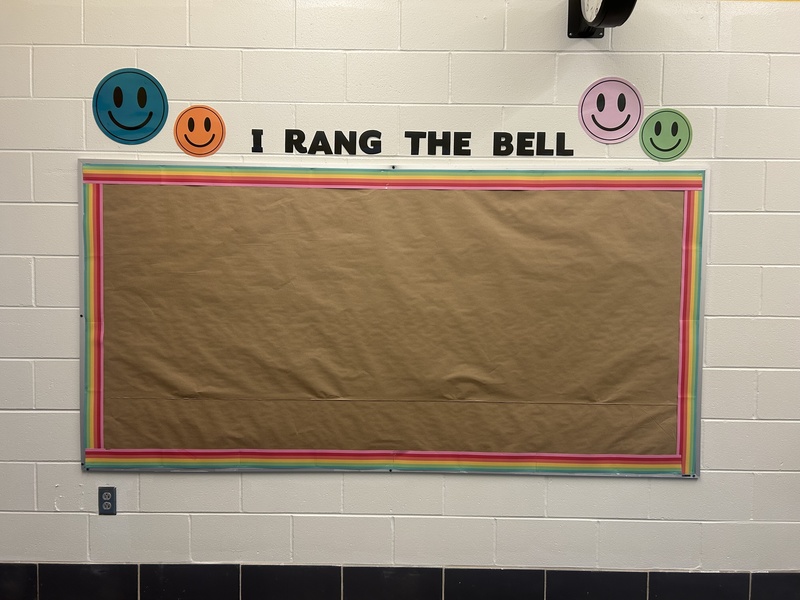
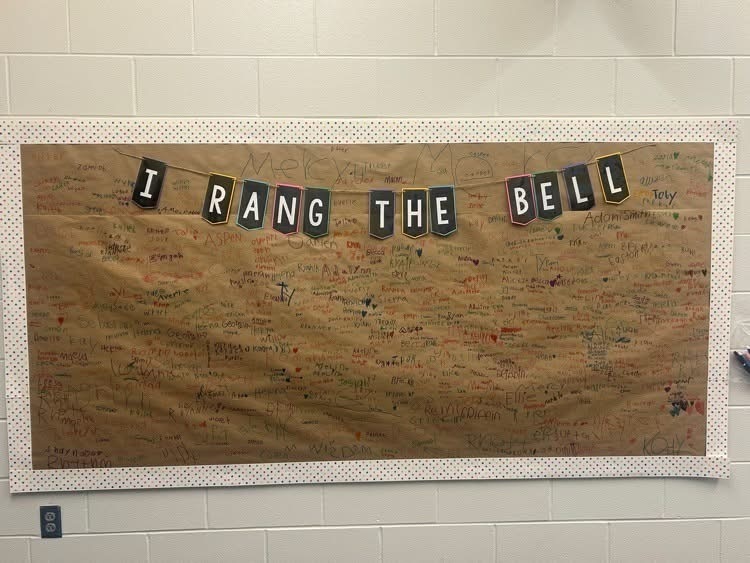
During the final quarter of the school year, we will celebrate student growth by tracking goals achieved by Longfellow students on our “I Rang the Bell” board. Each time a student reaches a personal goal, whether academic, social, or behavioral, they are invited to ring a bell in celebration and add their signature to the bulletin board outside the library.
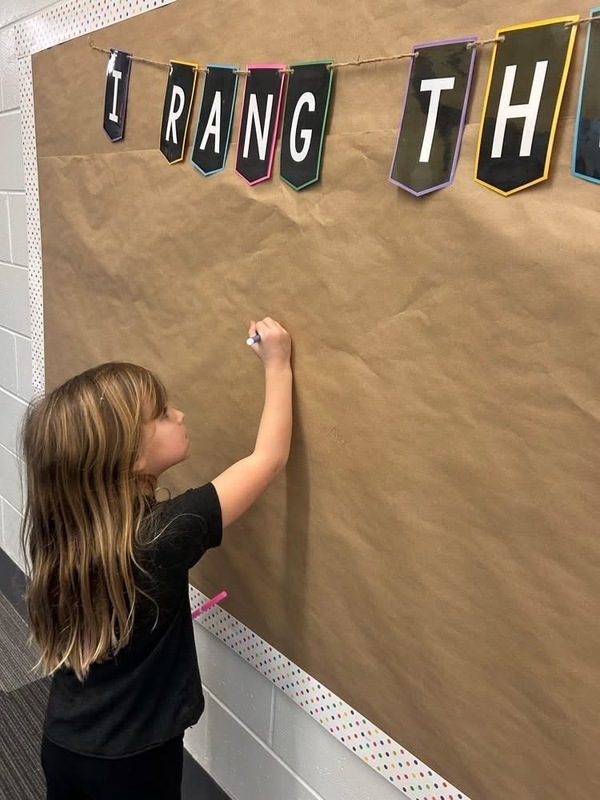
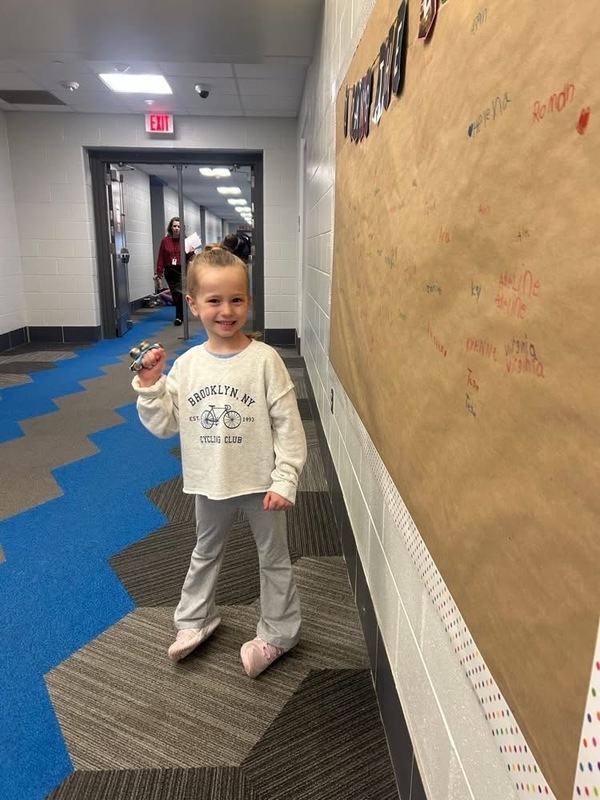
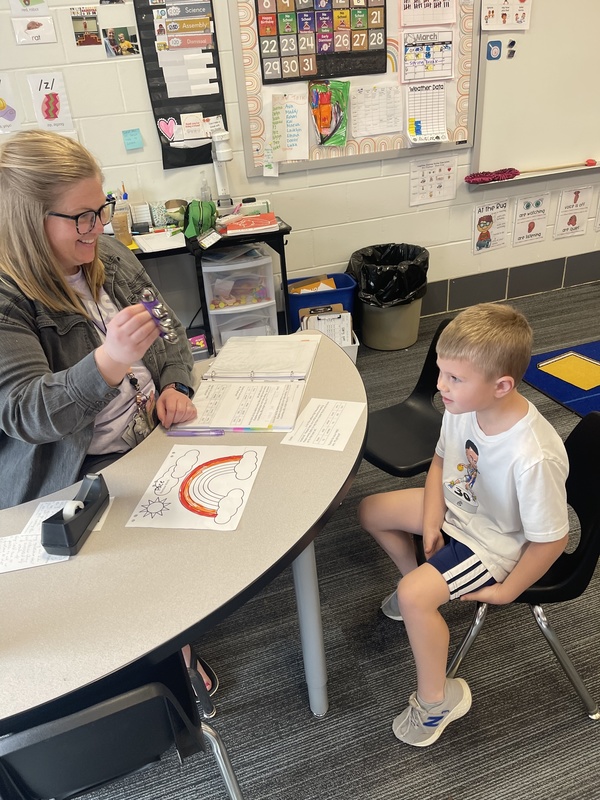
This special tradition recognizes the hard work, perseverance, and progress our students demonstrate every day. Throughout the quarter, signatures will continue to be added as students accomplish goals they have set for themselves, creating a visual reminder of our school’s commitment to growth and achievement.
Last year, our students’ success filled the bulletin board three separate times—a wonderful reflection of the dedication and determination seen throughout our Longfellow community. We look forward to celebrating even more accomplishments this year!
Families play an important role in supporting goal setting. Talking with children about what they are learning, celebrating progress, and encouraging effort at home reinforces the habits students are developing at school.
Look for certificates to come home with your child whenever they meet their goal and get to ring the bell and sign the board! Then ask them, "What goal did you meet? What did you get? How can I help you with your goal?" When school and home work together, children see that growth and learning are valued everywhere.

Through small goals and big encouragement, our youngest learners discover an important lesson: they are capable of growing, improving, and achieving great things!