
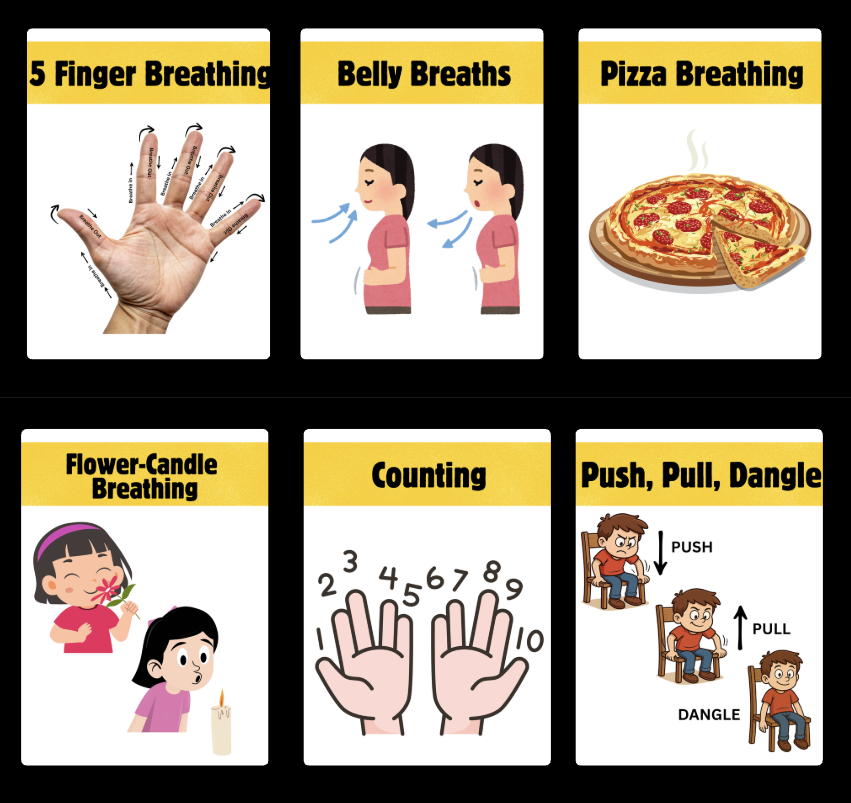
Hi Parkview Families! As your child's school counselor, I want to share a little bit about what I do and what the students have been learning when it comes to regulating big emotions.
What Does an Elementary School Counselor Do?
My job is to support students in three main areas: academic success, social-emotional growth, and career awareness. Whether I’m visiting classrooms for a lesson, meeting with small groups, or chatting one-on-one with a student who is having a "tough-stuff" day, my goal is the same: to make sure every child feels safe, seen, and supported. I help kids navigate friendships, manage big feelings, and build the confidence they need to be the best versions of themselves!
Why Coping Skills Matter (K-2)
In Kindergarten through 2nd Grade, children are experiencing a massive amount of brain development. They are moving from "reacting" to "reflecting."
Teaching coping skills early is vital because:
Emotional Regulation: It helps them move from a "red zone" (angry/upset) back to a "green zone" (ready to learn).
Focus: When a child can calm their body, they can focus their mind on reading and math.
Resilience: It teaches them that while we can't always control what happens, we can control how we respond.
6 Simple Coping Skills to Try at Home
Here are some of the tools we use at school! You can practice these with your child to help them find their "calm."
1. Five Finger Breathing
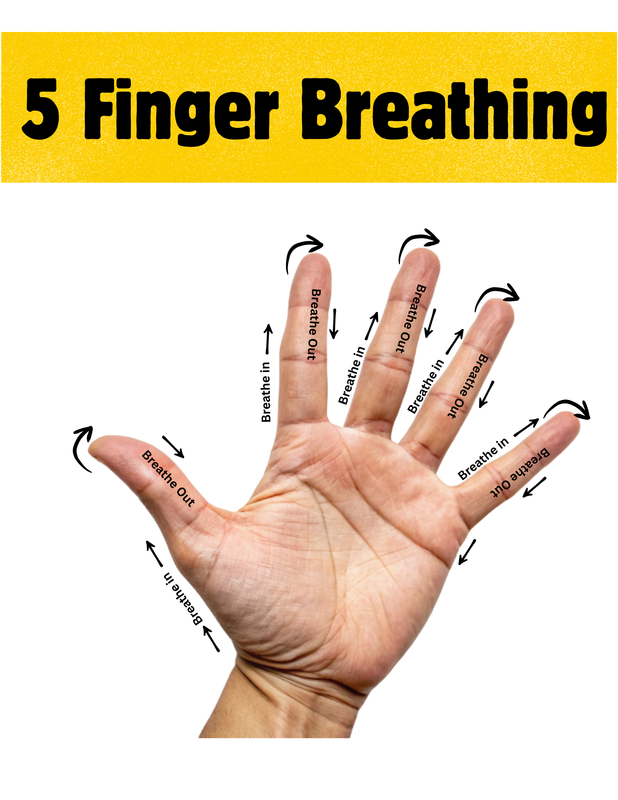
This is great because you always have your "tools" with you!
How to do it: Hold up one hand. Use the pointer finger of your other hand to trace.
The Move: Trace up your thumb while breathing in through your nose. Trace down the other side while breathing out through your mouth. Repeat for all five fingers until you feel steady.
2. Belly Breaths
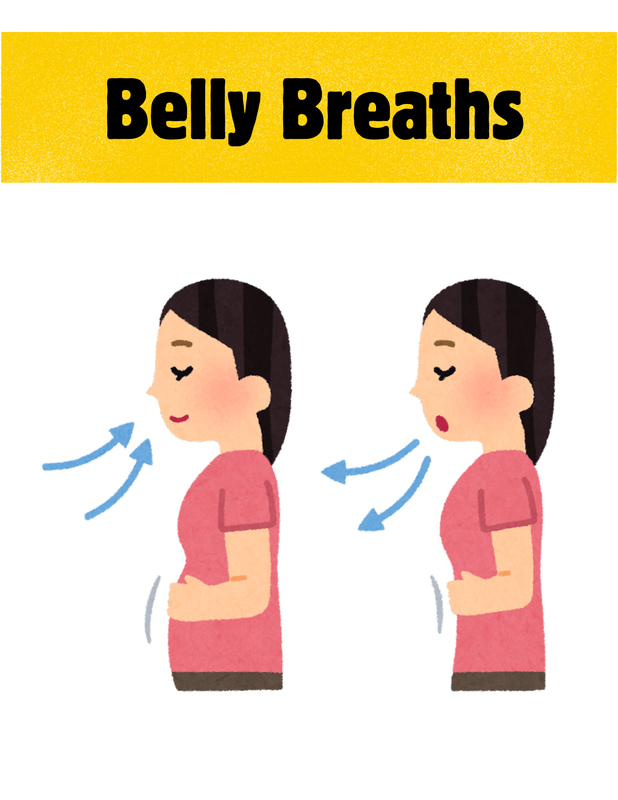
Standard "chest breathing" can actually keep us feeling anxious. We want "balloon breaths!"
How to do it: Place one hand on your belly.
The Move: Breathe in deeply through your nose and try to make your belly push your hand out (like inflating a balloon). Then, exhale slowly and feel your belly go flat again.
3. Pizza Breathing
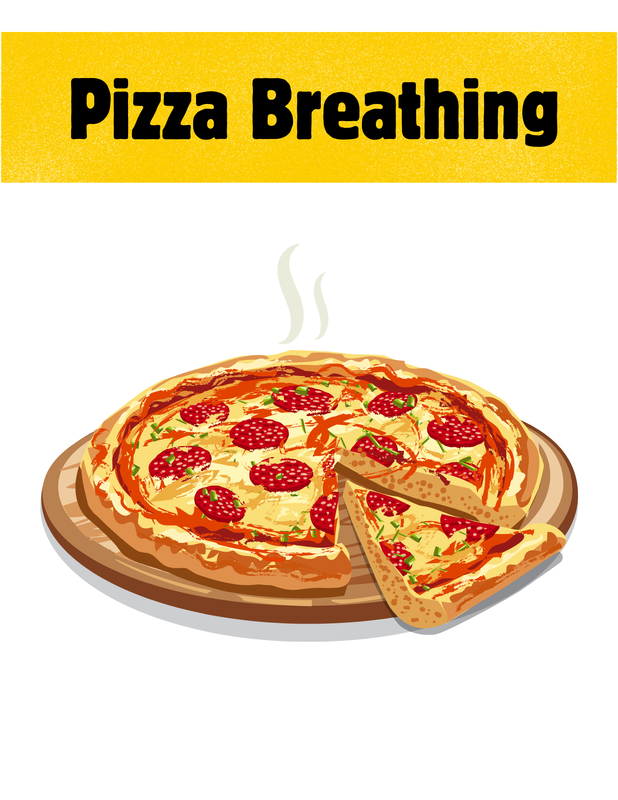
(A fan favorite for our food lovers!)
How to do it: Pretend you are holding a hot, delicious slice of pizza in your hands.
The Move: Take a deep breath in through your nose to smell the yummy pepperoni and cheese. Then, breathe out through your mouth to blow on the pizza to cool it down so you can take a "bite."
4. Flower-Candle Breathing
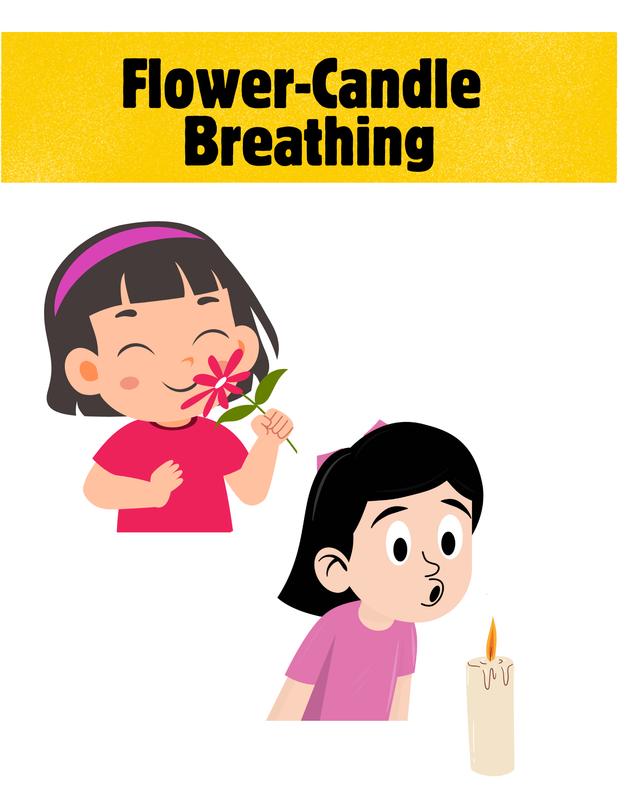
A simple visualization for deep breaths.
How to do it: Pretend you have a beautiful flower in one hand and a birthday candle in the other.
The Move: Deeply smell the flower (inhale through the nose), then slowly blow out the candle (exhale through the mouth).
5. Counting
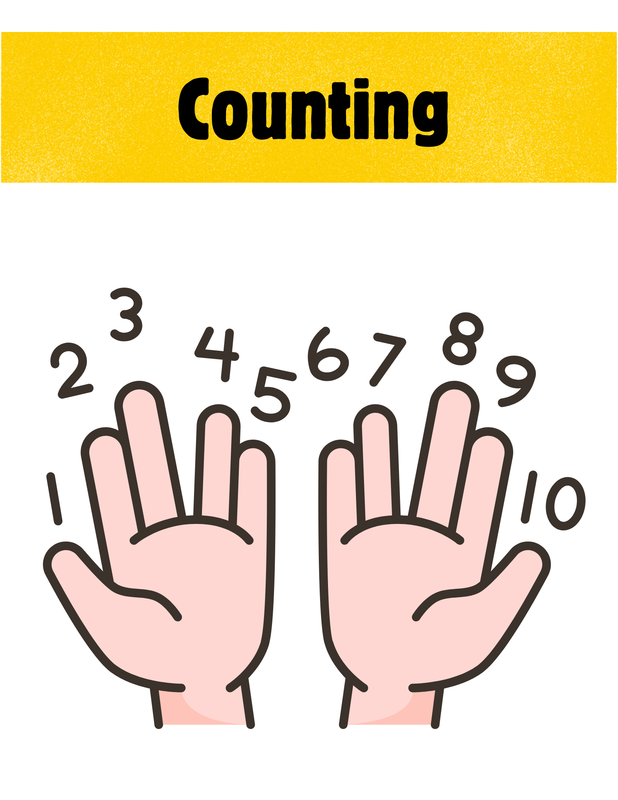
Sometimes the brain just needs a "distraction" to reset the nervous system.
How to do it: When feelings get too big, stop and count slowly from 1 to 10 - or as high as you can go!
The Move: Use your fingers, a number line, or your smart brain to count each number. This gives the "thinking" part of the brain a second to catch up with the "feeling" part of the brain.
6. Push, Pull, Dangle
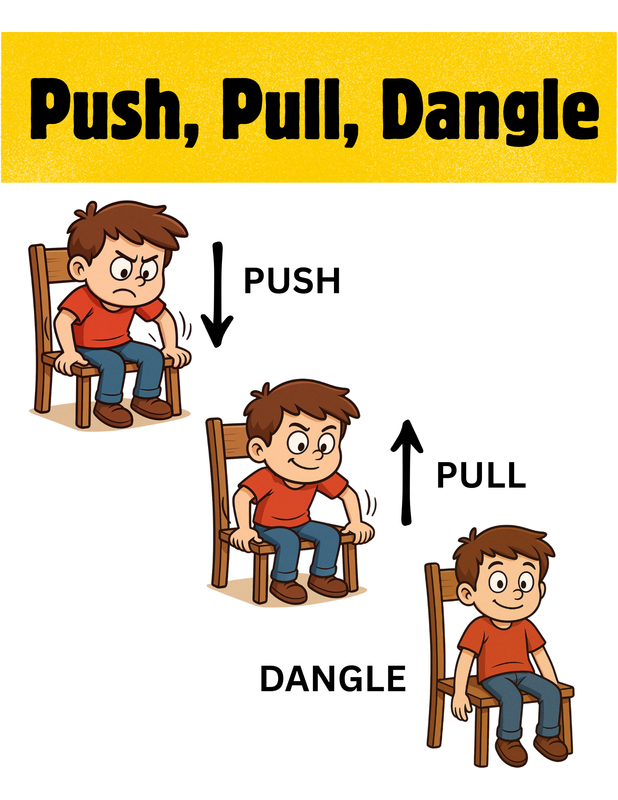
This is a "proprioceptive" exercise, which means it helps ground the body through muscle pressure and tension release.
The Move (With a Chair): Sit down and Push your hands into the seat for 10 seconds, Pull up on the sides of the chair for 10 seconds, and then let your arms Dangle like noodles.
The Move (On the Go!): If you don’t have a chair, just interlock your fingers in front of your chest. Push your palms together as hard as you can for 10 seconds, then try to Pull your hands apart (keep those fingers locked!) for 10 seconds. Finally, let your arms Dangle and shake out the tension!
Pro-Tip: I love telling students that "Push, Pull, Dangle" is like giving your nervous system a "reset" button! It’s a great way to "squeeze out" the stress and then let it go.
Remember: Coping skills are like muscles—the more we practice them when we are CALM, the better they work when we are UPSET!